 By Dominic E.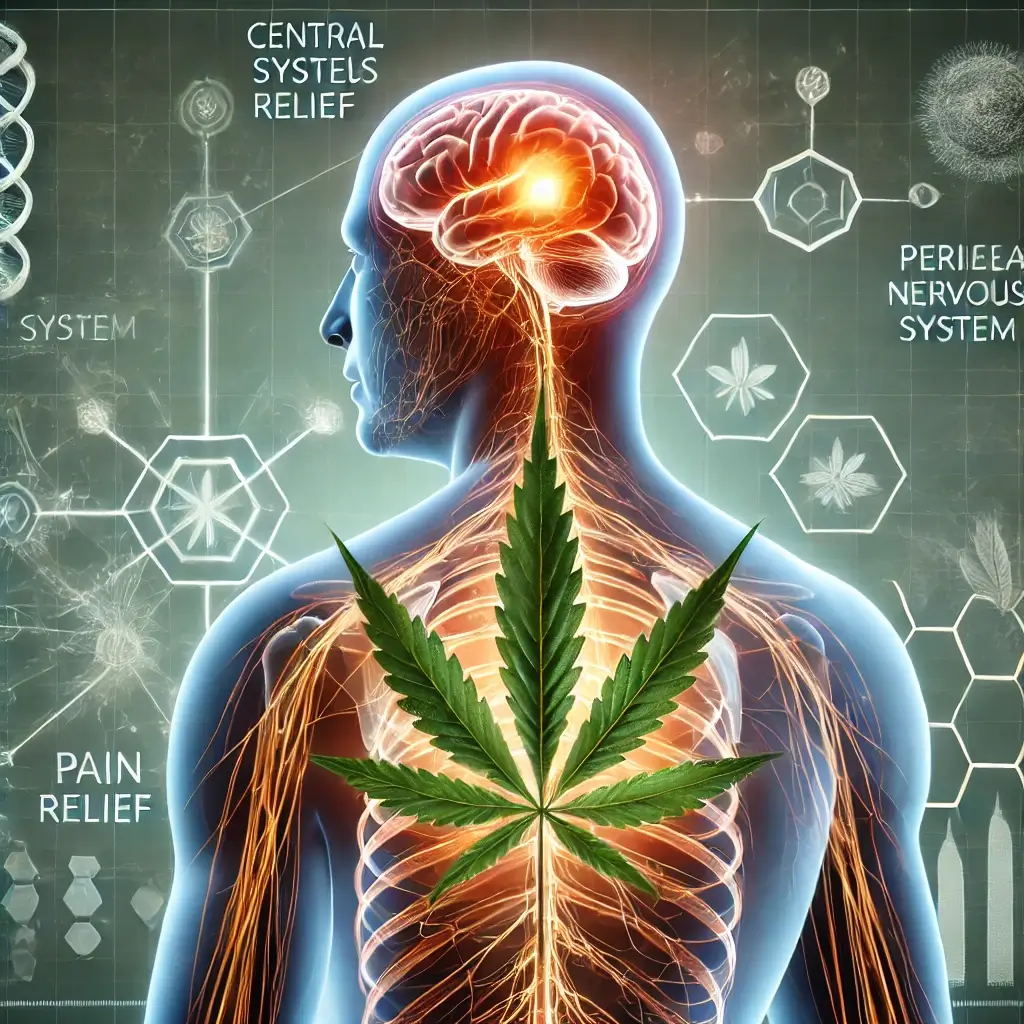
The Growing Need for Alternative Pain Management
Pain, whether chronic or acute, is a universal experience and one of the leading causes of disability worldwide. It is estimated that nearly 50 million adults in the United States suffer from chronic pain, leading to a significant reduction in quality of life and productivity. While traditional treatment approaches, including opioids, NSAIDs, and physical therapies, offer relief, they are not without risks or limitations. The opioid epidemic, characterized by addiction and overdose crises, has underscored the need for alternative pain management strategies.
Cannabis and the Endocannabinoid System
Cannabis has emerged as a promising option, particularly with its effects on the endocannabinoid system (ECS). The ECS, first identified in the 1990s, plays a critical role in maintaining homeostasis by regulating various physiological processes, including pain perception, inflammation, and immune responses. Cannabinoids such as THC (tetrahydrocannabinol) and CBD (cannabidiol) interact with ECS receptors, modulating pain at both the central and peripheral levels.
Recent Advances in Cannabis Research
Recent advances in neuroscience have deepened our understanding of how cannabis exerts its effects. Studies have demonstrated that cannabinoids influence multiple pain pathways, providing relief for conditions like neuropathic pain, arthritis, and fibromyalgia. Legislative changes worldwide, including the legalization of medical cannabis in many jurisdictions, have further spurred research and clinical trials.
Introduction to Cannabis Pain Relief Mechanisms
This article delves into the neurobiological mechanisms underlying cannabis-mediated pain relief, examines current research, and explores the clinical implications of these findings.
Understanding Central Nervous System Mechanisms
The central nervous system (CNS) is a primary target for cannabinoids:
• CB1 Receptor Modulation: THC binds to CB1 receptors in the brain, altering nociceptive signal transmission. This reduces the perception of pain at its source.
• Descending Pain Pathways: Cannabinoids activate descending pain inhibition pathways, decreasing the intensity of pain signals sent to the brain (Neurology Research, 2023).
• Thalamic and Cortical Processing: Cannabis modifies activity in the thalamus and cortex, the brain regions responsible for pain localization and emotional processing. This dual effect not only reduces pain but also its associated distress.
Peripheral Pain Relief Mechanisms
Peripheral pain relief is largely mediated by CBD, which influences immune cells and nociceptors:
• CB2 Receptor Activation: CBD’s interaction with CB2 receptors reduces inflammation by modulating cytokine production.
• Nociceptor Sensitization: Cannabinoids lower nociceptor sensitivity, reducing pain from stimuli such as heat or injury (Clinical Neuroscience, 2022).
• Reduction of Inflammatory Mediators: Cannabinoids decrease the release of pro-inflammatory substances like prostaglandins, further mitigating pain.
Complex Receptor Interactions
In addition to CB1 and CB2 receptors, other molecular targets are involved:
• TRPV1 Channels: Responsible for detecting pain from heat or inflammation, these channels are desensitized by cannabinoids, reducing the pain response.
• GPR55 Receptors: Emerging evidence links these receptors to pain modulation, with cannabis exerting inhibitory effects.
• Adenosine Signaling: Cannabinoids enhance adenosine’s anti-inflammatory effects, contributing to overall analgesia.
Clinical Applications and Treatment Strategies
These mechanisms translate into clinical applications for a range of conditions:
• Neuropathic Pain: Studies highlight cannabis’s efficacy in managing nerve pain, particularly in conditions like multiple sclerosis and chemotherapy-induced neuropathy (Journal of Pain Science, 2023).
• Arthritis and Inflammatory Pain: CBD-rich formulations reduce inflammation and associated pain in arthritis models without the psychoactive effects of THC.
• Central Sensitization Disorders: Fibromyalgia patients have reported significant symptom relief, likely due to cannabis’s effects on pain processing pathways.
Dosing strategies and delivery methods are critical to maximizing cannabis’s therapeutic potential. Sublingual tinctures, vaporization, and topical applications allow for targeted effects while minimizing side effects. Clinical trials are ongoing to refine these approaches and establish standardized protocols.
Future Perspectives in Pain Management
Cannabis offers a novel approach to pain relief by targeting multiple mechanisms within the central and peripheral nervous systems. Its ability to modulate the ECS and other pain pathways makes it a versatile and promising treatment for chronic and acute pain conditions. Research from sources like Neurology Research and Clinical Neuroscience validates its efficacy while highlighting the need for further investigation into long-term safety, optimal dosing, and patient-specific protocols.
As the medical community continues to embrace cannabis-based therapies, patients suffering from debilitating pain conditions may find a safer and more effective alternative to traditional treatments. However, it is crucial to balance enthusiasm with caution, ensuring that cannabis is integrated into clinical practice responsibly and informed by robust scientific evidence.