 By Dominic E.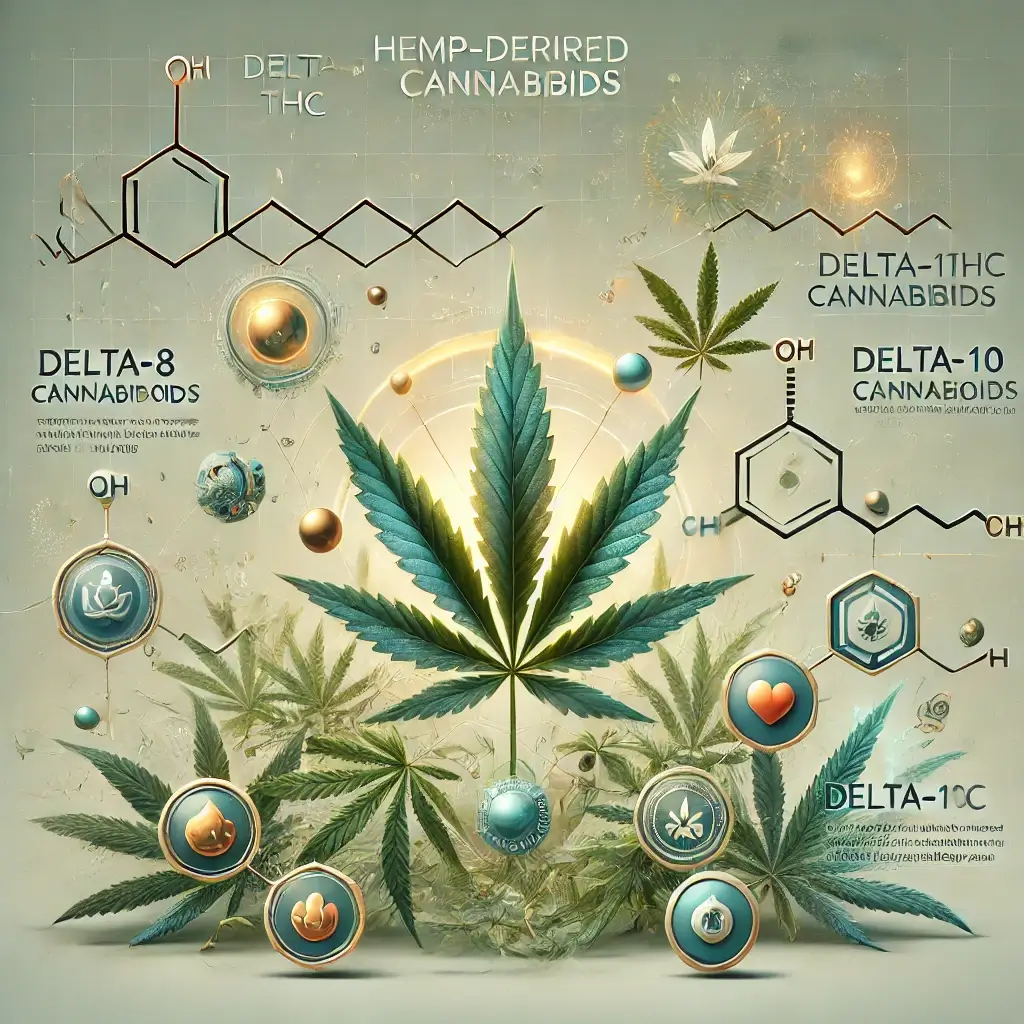
Introduction to Cannabis and Delta Cannabinoids
Cannabis, a plant long revered for its medicinal and recreational potential, harbors a variety of cannabinoids, each with unique effects and benefits. Among these, hemp-derived delta cannabinoids—specifically delta-8 THC and delta-10 THC—have gained remarkable traction in recent years. These compounds offer an alternative to traditional delta-9 THC, appealing to a diverse audience seeking either gentler effects or innovative therapeutic solutions. Their rise reflects the broader evolution of cannabis science, which continues to reshape wellness and healthcare landscapes.
Understanding Delta Variants and Legal Status
Delta-8 THC, known for its mild psychoactive effects, provides a sense of relaxation without the intensity often associated with delta-9 THC. Delta-10 THC, celebrated for its reported energizing properties, is a less common variant. Both cannabinoids are derived from hemp, a plant legalized in the U.S. under the 2018 Farm Bill. This legal status has fueled the rapid proliferation of hemp-derived delta products in markets nationwide.
Challenges in the Emerging Sector
However, this emerging sector is not without its challenges. Concerns about product safety and inconsistent manufacturing standards, and evolving legal frameworks have raised important questions. For consumers and healthcare professionals alike, understanding these products’ effects, benefits, and risks is crucial for informed decision-making. This article delves into the scientific and regulatory dimensions of hemp-derived delta cannabinoids, equipping readers with the knowledge needed to navigate this complex and exciting field.
Defining Delta-8 and Delta-10 THC
Delta-8 and delta-10 THC are cannabinoids derived from hemp, a type of cannabis plant containing less than 0.3% delta-9 THC. These compounds share structural similarities with delta-9 THC but differ in potency and effects: Delta-8 THC: Known for its calming influence, it provides a milder psychoactive experience. Users often describe feeling relaxed and clear-headed, making it appealing for stress relief and mild pain management. Delta-10 THC: With anecdotal reports highlighting its uplifting properties, delta-10 THC is often used for enhancing focus and productivity, though scientific studies remain limited.
Safety Considerations and Side Effects
While generally regarded as safe, these products can produce side effects, including: Dry Mouth: A common side effect linked to most cannabinoids. Dizziness: Particularly at higher doses or for new users. Drowsiness or Fatigue: Notable with delta-8 THC, which has more sedative-like properties. The production of delta products via chemical conversion can pose risks due to the chemical processes involved. For instance, many delta-8 and delta-10 products are synthesized from CBD via chemical conversion, which may leave behind residual solvents or byproducts if not adequately purified. This underscores the importance of purchasing products from reputable sources that adhere to rigorous testing standards.
Legal Framework and State Regulations
The legal status of hemp-derived delta products is a complex and evolving issue. While the 2018 Farm Bill legalized hemp and its derivatives containing less than 0.3% delta-9 THC, it left room for interpretation regarding other cannabinoids. This ambiguity has prompted several states to impose bans or restrictions on delta-8 and delta-10 THC products. Reasons cited include their psychoactive potential and lack of comprehensive regulatory oversight.
Consumer Legal Guidance
For consumers, understanding these legal nuances is essential. For instance: In states like Colorado and New York, delta-8 THC is explicitly prohibited despite federal legality. Other states, such as Texas, permit delta-8 but require stringent testing and labeling practices. Staying informed about local regulations ensures compliance and avoids legal complications.
Research and Scientific Studies
Emerging studies provide insights into the potential applications of delta cannabinoids. A 2021 report in the Journal of Cannabis Research explored delta-8 THC’s anxiety-reducing effects, noting its potential as a less potent alternative to traditional THC for managing stress. Similarly, preliminary findings suggest that delta-10 THC could offer mood-enhancing benefits, though more research is needed to confirm its therapeutic value.
Future Implications and Considerations
Hemp-derived delta products represent a fascinating chapter in cannabis innovation, offering alternatives for wellness and recreation. However, navigating this market requires careful consideration of safety, effects, and legal parameters. For consumers, consulting healthcare professionals and selecting reputable brands can mitigate risks while maximizing benefits. The potential of delta-8 and delta-10 THC lies not only in their unique effects but also in their capacity to enrich the broader understanding of cannabinoids in health and wellness.
Final Thoughts and Recommendations
By referencing current research and aligning with evolving regulations, individuals can make informed decisions about integrating these products into their lifestyles. As the cannabis industry advances, continued education will be key to harnessing the full potential of hemp-derived cannabinoids responsibly and effectively.