 By Dominic E.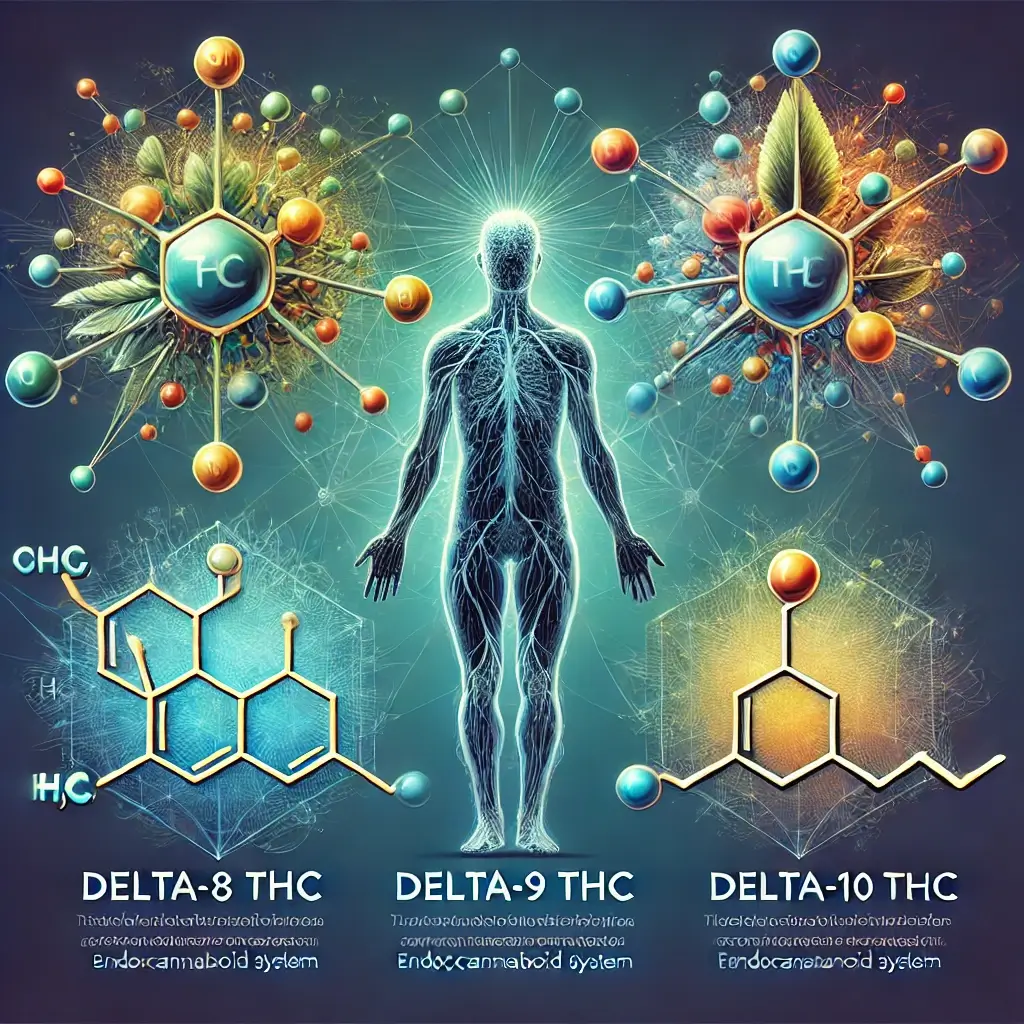
The Evolution of Cannabis Pharmacology and THC Isomers
The world of cannabis pharmacology has evolved dramatically over recent years, with groundbreaking research uncovering the nuanced differences between various delta THC isomers. As cannabis continues to emerge as a powerful therapeutic tool, understanding these isomers—Delta-8 THC, Delta-9 THC, and Delta-10 THC—has become critical for clinicians, researchers, and consumers alike.
Understanding Delta THC Isomers and the Endocannabinoid System
Delta THC isomers are distinct structural variants of tetrahydrocannabinol, the primary psychoactive compound in cannabis. While they share the same molecular formula, their atomic arrangements differ slightly, leading to unique interactions with the body’s endocannabinoid system (ECS). The ECS, a complex network of receptors, enzymes, and endocannabinoids, plays a crucial role in maintaining homeostasis across various physiological systems, including mood, pain perception, and immune function.
Distinctive Properties of Delta THC Variants
Delta-9 THC, the most studied isomer, is widely recognized for its psychoactive effects and therapeutic applications, ranging from pain management to appetite stimulation. Delta-8 THC, with a milder psychoactive profile, has gained attention for its potential in anxiety reduction and nausea treatment. Meanwhile, Delta-10 THC, a relatively novel discovery, is being explored for its cognitive and mood-enhancing properties. These distinctions not only highlight the diversity of cannabis compounds but also underscore the importance of precise isomer selection in clinical and therapeutic contexts.
Research and Industry Development
As the cannabis industry expands, so does the demand for evidence-based knowledge about these compounds. This article delves into the pharmacological differences between Delta-8, Delta-9, and Delta-10 THC, exploring their receptor interactions, therapeutic potential, and implications for personalized medicine. By examining the latest scientific research, we aim to provide readers with a comprehensive understanding of how these isomers can shape the future of cannabis therapeutics.
Molecular Structure and Receptor Interaction Analysis
Delta-8 THC: Research in the Journal of Molecular Pharmacology reveals that Delta-8 THC has a modified binding affinity to CB1 receptors, which are predominantly found in the central nervous system. Its altered stereochemistry results in reduced psychotropic effects compared to Delta-9 THC, making it a candidate for patients seeking therapeutic benefits without intense psychoactivity.
Delta-9 THC: Delta-9 THC is the “gold standard” for cannabinoid research, characterized by its classical activation of both CB1 and CB2 receptors. These interactions result in well-documented psychoactive effects and a broad spectrum of therapeutic applications, including pain relief, appetite stimulation, and anti-inflammatory benefits.
Delta-10 THC: This isomer demonstrates novel receptor interactions, particularly with neural pathways associated with cognition and mood regulation. Early studies suggest it may enhance focus and creativity, though further research is needed to confirm its therapeutic scope.
Pharmacokinetics and Bioavailability Insights
Absorption rates and bioavailability vary among isomers. Delta-9 THC typically has higher bioavailability when consumed orally, but Delta-8 and Delta-10 THC may offer more consistent pharmacokinetics in controlled dosing scenarios. Metabolic pathways also differ, with Delta-8 THC undergoing unique enzymatic conversions that may prolong its effects compared to Delta-9 THC.
Therapeutic Applications and Clinical Implementation
Delta-8 THC shows promise in anxiety management and nausea treatment, particularly in oncology settings. Delta-9 THC remains a versatile option for pain management and appetite stimulation, though its psychoactive effects can limit its suitability for some patients. Delta-10 THC: Preliminary evidence suggests potential in cognitive enhancement and mood stabilization, appealing to patients seeking functional support without significant psychoactivity.
Evidence-Based Clinical Protocols
Evidence-based protocols for Delta THC isomers include tailored dosing regimens and monitoring strategies. For instance, Delta-8 THC may be preferred for daytime use in patients with anxiety, while Delta-9 THC could be reserved for acute pain episodes. Understanding individual patient responses to these isomers is critical for optimizing therapeutic outcomes.
Future Perspectives in Cannabis Medicine
The comparative pharmacology of Delta THC isomers sheds light on their unique roles in therapeutic applications. While Delta-9 THC remains the cornerstone of cannabis medicine, Delta-8 and Delta-10 THC offer alternative pathways for patients seeking specific benefits with reduced psychoactivity. Continued research into these isomers will pave the way for more personalized and effective cannabis-based treatments.